Source Brass Body Care Guasha Board for Massage, Scraping, and Wellness
Find 30 brass body care guasha board options from verified suppliers. Compare specifications, materials, and prices for full-body and facial massage applications.
Key considerations
Products List






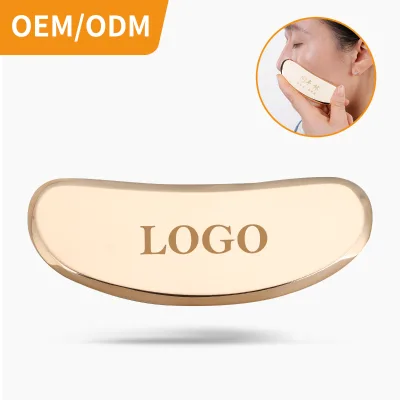

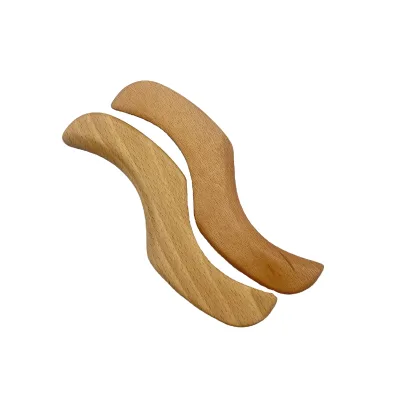
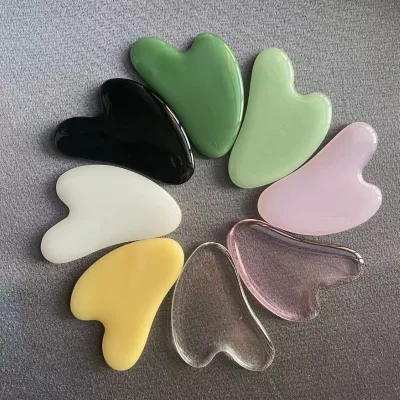

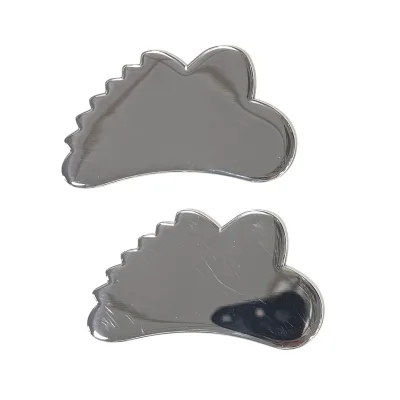
Comprehensive Sourcing Guide
Strategic Sourcing Guide for Brass Body Care Guasha Boards
Understanding Product Specifications and Material Integrity
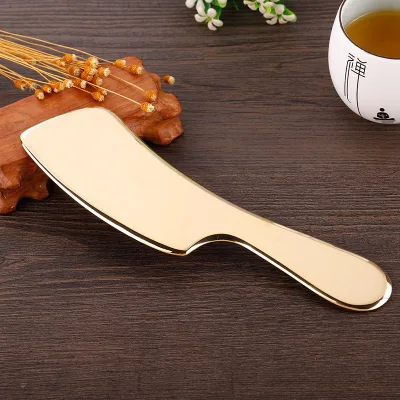
When sourcing brass body care guasha boards, the primary focus must be on the precise material composition and dimensional specifications that define the tool's efficacy. The core keyword implies a specific construction where brass serves as the foundational material, distinct from other common variants like rose quartz or copper. In the current market landscape, brass guasha tools are often characterized by their specific weight and thermal conductivity, which are critical for body massage applications. The observed product data indicates that brass variants typically feature dimensions such as 175403mm or 100*30mm, depending on the intended application area. These measurements are not arbitrary; they are engineered to provide the necessary leverage and surface area for full-body or targeted muscle massage.
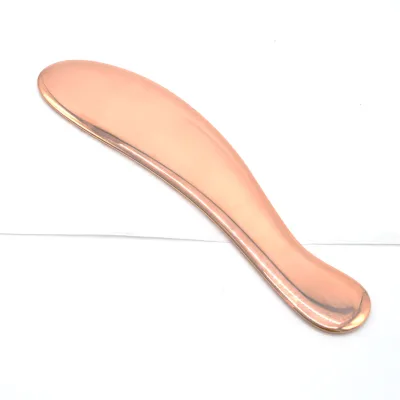
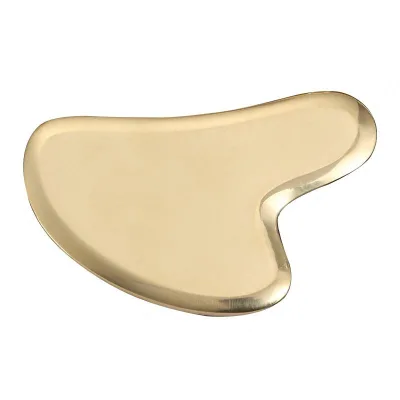
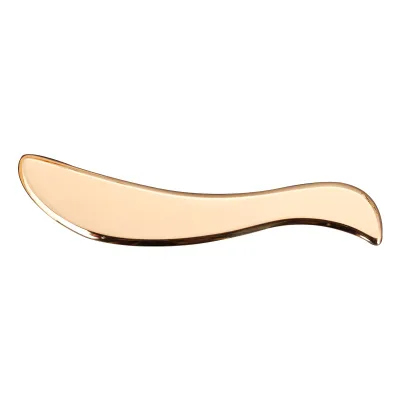
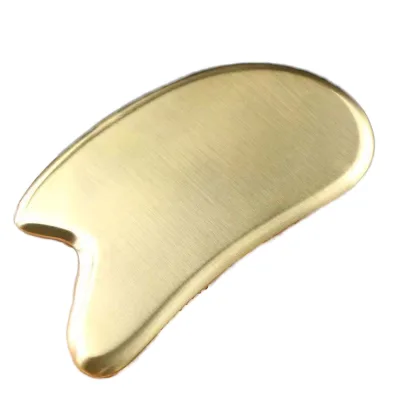
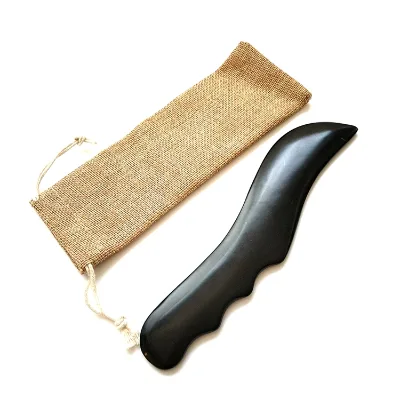
The physical attributes of the product are equally significant. A brass guasha board is generally designed with a specific thickness, often around 3mm, to ensure durability without becoming unwieldy. The surface finish is another critical specification; while some listings describe a "red" or "gold" finish, these are often surface treatments or plating applied to the base brass material. Buyers must verify that the underlying material is indeed brass, as this metal offers a unique balance of rigidity and smoothness that is essential for effective scraping techniques. The product name "Brass Guasha" or "S Shape Natural Brass Metal Gua Sha Scraping Board" suggests a specific ergonomic design intended to contour to the human body. This shape is vital for navigating the curves of the back, shoulders, and limbs, distinguishing it from facial tools which are typically smaller and more delicate.
Furthermore, the manufacturing process for brass tools often involves specific finishing techniques to prevent oxidation and ensure a smooth glide over the skin. The supply chain data indicates that these products are frequently dispatched from manufacturing hubs in Tianjin, China, a region known for its metalworking capabilities. When evaluating a potential supplier, buyers should request detailed technical sheets that confirm the alloy composition of the brass used. It is essential to distinguish between solid brass and brass-plated materials, as the latter may wear down over time, exposing base metals that could cause skin irritation. The "S Shape" design mentioned in product listings is a specific functional attribute that should be verified against the buyer's specific needs for body contouring versus general muscle relaxation.
Compliance, Certification, and Safety Verification
Navigating the regulatory landscape for body care tools requires a disciplined approach to compliance and safety verification. While the supplied product data does not explicitly list specific certification numbers for every item, the industry standard for personal care devices often involves adherence to international quality management systems. Background knowledge suggests that manufacturers in this sector may align with ISO 9001 for quality management and ISO 14001 for environmental management, though these should be treated as potential benchmarks rather than guaranteed facts for any specific listing. Buyers must not assume a supplier possesses these certifications without direct verification.
The safety of the material is paramount, especially for products that come into direct contact with the skin. Brass is generally considered safe for body care, but the surface finish and any plating materials must be non-toxic and hypoallergenic. Buyers should explicitly request documentation regarding the safety of the surface coating, particularly if the product is marketed with a "gold" or "red" finish. The absence of specific test results in the provided data means that the procurement team must initiate their own due diligence. This includes asking for third-party laboratory reports that verify the absence of heavy metals like lead or cadmium, which can sometimes be present in lower-quality metal alloys.
Additionally, the packaging details provided, such as the use of plastic OPP bags, bubble paper, and paper boxes, suggest a standard approach to protection during transit. However, for compliance with international shipping regulations, buyers should verify that the packaging materials themselves meet relevant environmental standards, particularly if the destination market has strict regulations on plastic usage. The "Customized Packing" option noted in the data indicates flexibility, but this also introduces a variable that must be controlled to ensure the final product meets the buyer's branding and safety requirements.
In terms of product safety, the "after_sale_service" of "Online technical support" implies that the supplier is prepared to address potential issues, but this does not replace the need for pre-shipment quality audits. Buyers should establish clear acceptance criteria based on the product's intended use. For instance, if the tool is marketed for "Body Healthcare Massage," it must be robust enough to withstand repeated pressure without bending or breaking. The verification of these safety and compliance aspects should be a mandatory step before finalizing any order, ensuring that the product meets both the buyer's internal standards and the regulatory requirements of the target market.
Cost Drivers and Pricing Dynamics
The pricing structure for brass body care guasha boards is influenced by a complex interplay of material costs, manufacturing complexity, and order volume. The observed price range in the market spans from $0.30 to $25.00 USD, a significant variance that reflects differences in quality, branding, and customization levels. At the lower end of this spectrum, prices likely correspond to basic, unbranded brass tools with minimal packaging and standard dimensions. These items are often produced in high volumes to achieve economies of scale, resulting in lower unit costs. Conversely, the higher price points are typically associated with premium finishes, custom branding, specialized packaging, or more complex ergonomic designs that require additional machining time.
The Minimum Order Quantity (MOQ) is a critical factor in determining the final cost per unit. The data indicates an MOQ range of 1 to 3,000 pieces, with a common benchmark of 100 pieces for many brass variants. This flexibility allows buyers to scale their orders based on their specific needs, but it also means that the unit price will fluctuate significantly depending on the volume ordered. For buyers seeking to minimize initial investment, the "1pc" sample option is a valuable resource, though the unit cost for samples will naturally be higher than bulk pricing. As the order volume increases, the per-unit cost is expected to decrease, driven by the amortization of setup costs and the efficiency of mass production.
Material costs for brass are subject to global market fluctuations, which can impact the final price. Buyers should be aware that the price of raw brass can vary, and suppliers may adjust their pricing accordingly. Additionally, the cost of customization, such as adding a specific brand name or altering the packaging, will add to the base price. The "Supply Ability" of 10,000 pieces per month suggests that suppliers have the capacity to handle large orders, but this capacity must be balanced against the lead time required for production. Buyers should negotiate pricing based on a clear understanding of the total cost of ownership, including shipping, duties, and potential currency exchange risks.
It is also important to consider the "Selling Units" aspect, where products are often sold as single items despite being part of a larger production run. This affects how the price is presented and negotiated. Buyers should ensure that the quoted price includes all necessary components, such as the tool itself, packaging, and any branding elements. The "Customized Packing" option adds another layer of cost consideration, as custom packaging designs and materials will incur additional expenses compared to standard packaging. By understanding these cost drivers, buyers can make more informed decisions and negotiate effectively with suppliers to achieve the best value for their specific procurement needs.
Typical Applications and Functional Versatility
Brass body care guasha boards are designed for a wide range of applications, primarily focusing on body healthcare and muscle massage. The functional versatility of these tools makes them suitable for various therapeutic and wellness practices. The primary application is "Body Healthcare Massage," which involves using the tool to scrape the skin along muscle fibers to improve circulation and relieve tension. The "Full-body" massage area designation indicates that these tools are large enough to cover extensive areas of the body, such as the back, legs, and arms, making them ideal for deep tissue work.
The specific design of the brass guasha board, often featuring an "S Shape," allows for precise manipulation of different body contours. This shape is particularly effective for targeting specific muscle groups and trigger points that are difficult to reach with hands alone. The "Muscle massage" function is a key attribute, highlighting the tool's ability to provide targeted relief for sore or tight muscles. Additionally, some products are marketed for "Face/Body" use, suggesting a dual-purpose design that can be adapted for both facial and body treatments, although the larger dimensions of brass tools typically make them more suitable for body applications.
The "Health care" function extends beyond simple muscle relief to include general wellness practices. The use of brass in these tools is often associated with traditional healing practices, where the metal is believed to conduct energy or heat effectively. This thermal property can be leveraged in treatments where the tool is warmed or cooled to enhance the therapeutic effect. The "Body Care" usage category further emphasizes the tool's role in maintaining overall physical well-being, making it a valuable addition to spa treatments, physiotherapy sessions, and home wellness routines.
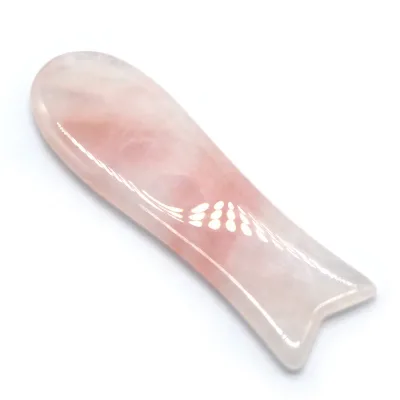
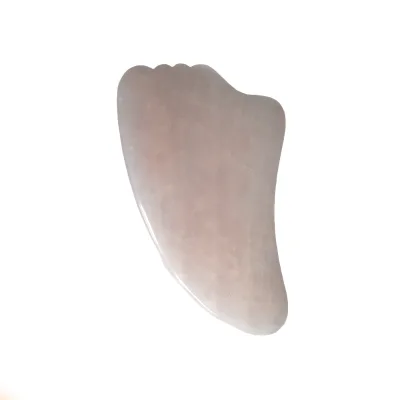
Buyers should consider the specific needs of their target market when selecting a brass guasha board. For instance, a supplier offering a "Rose quartz Fish Shaped Gua Sha Tool" provides a different aesthetic and functional experience compared to a "Brass Guasha." The brass variant's durability and weight make it particularly suitable for professional use where frequent handling and pressure are required. The "Single item" selling unit suggests that these tools are often purchased individually, allowing for customization based on the specific requirements of the end-user. By understanding these applications, buyers can align their procurement strategy with the specific demands of their customers, ensuring that the selected products meet the functional expectations of the market.
Supplier Evaluation and Selection Criteria
Selecting the right supplier for brass body care guasha boards requires a rigorous evaluation process that goes beyond basic product listings. The first step is to verify the supplier's location and logistical capabilities. The data indicates that many suppliers are based in Tianjin, China, a major manufacturing hub. Buyers should confirm the specific factory location and assess the logistics network to ensure reliable shipping to their destination. The "Port of dispatch" being TIANJIN is a key logistical detail that can impact shipping costs and lead times.
The supplier's production capacity is another critical factor. The "Supply Ability" of 10,000 pieces per month suggests a robust production line, but buyers should verify this capacity against their own order volumes and delivery schedules. It is essential to ensure that the supplier can meet demand during peak seasons without compromising quality. The "OEM" (Original Equipment Manufacturer) capability, indicated by "Yes" in the data, is a significant advantage for buyers looking to brand the products. Buyers should evaluate the supplier's experience with OEM projects, including their ability to handle custom branding, packaging, and design modifications.
Quality control processes are paramount in supplier selection. Buyers should inquire about the supplier's internal quality assurance measures, including inspection protocols and testing procedures. The "after_sale_service" of "Online technical support" indicates a level of commitment to customer satisfaction, but buyers should also ask about the supplier's response time and resolution process for any quality issues. The "sample" availability is a crucial step in the evaluation process, allowing buyers to physically inspect the product for quality, finish, and functionality before committing to a larger order.
Finally, the supplier's reputation and track record should be assessed. While specific supplier names should not be recommended, buyers can look for indicators of reliability, such as consistent product descriptions, clear communication, and a history of successful transactions. The "Customized Packing" option suggests flexibility, but buyers should ensure that the supplier has the necessary resources to handle custom packaging requirements efficiently. By thoroughly evaluating these criteria, buyers can identify suppliers that are capable of delivering high-quality brass guasha boards that meet their specific needs and standards.
Quality Control and Long-Term Procurement Strategy
Implementing a robust quality control (QC) strategy is essential for maintaining the integrity of brass body care guasha boards throughout the procurement lifecycle. Given the variability in the observed price range and the potential for differences in material quality, buyers must establish clear QC checkpoints. The initial step involves a rigorous inspection of the sample units. Buyers should verify the material composition, ensuring that the product is indeed made of brass and not a lower-quality alternative. The dimensions, such as 175403mm, should be measured precisely to ensure they match the specifications. The surface finish, whether "red," "gold," or natural brass, should be inspected for consistency and durability.
During the production phase, buyers should implement a mid-production inspection to catch any deviations early. This includes checking the consistency of the "S Shape" design and the overall structural integrity of the tool. The "Single gross weight" of 0.300 kg is a specific data point that can be used as a benchmark for weight consistency. Any significant deviation from this weight could indicate issues with material density or manufacturing defects. Additionally, the packaging should be inspected to ensure that the "first plastic opp bag," "second bubble paper," and "third paper box" are applied correctly and provide adequate protection during transit.
For long-term procurement, buyers should consider establishing a partnership with a supplier that demonstrates a commitment to continuous improvement. This involves regular communication, feedback loops, and joint efforts to refine the product based on market trends and customer feedback. The "MOQ" of 100 pieces offers flexibility for small batches, but for long-term success, buyers should aim to negotiate volume-based pricing and priority production slots. The "Supply Ability" of 10,000 pieces per month provides a buffer for scaling up, but buyers should ensure that the supplier can maintain quality as volumes increase.
Finally, buyers should plan for the end-of-life cycle of the product. The "after_sale_service" of "Online technical support" is a positive indicator, but buyers should also consider the environmental impact of the product and its packaging. The "Customized Packing" option allows for the use of eco-friendly materials, which can be a selling point in certain markets. By integrating these long-term considerations into their procurement strategy, buyers can ensure a sustainable and profitable relationship with their suppliers, delivering high-quality brass guasha boards that meet the evolving needs of the market.
FAQs
What materials are used for brass body care guasha boards?
Brass is the primary material used for these tools, ensuring durability and rigidity for body massage. Some listings also specify copper or rose quartz as alternative materials for different applications. Buyers should verify the exact alloy composition to confirm the base metal is solid brass and not merely plated.
How can I verify the dimensions of a brass guasha board?
Standard brass body care guasha boards typically measure around 175 by 40 millimeters with a thickness of 3 millimeters. Other models may vary, such as those measuring 100 by 30 millimeters or 80 by 55 millimeters. Buyers must check the specific model number to confirm the exact size required for their application.
Which suppliers offer customized packaging for these products?
Many manufacturers provide customized packing options including plastic OPP bags, bubble paper, and paper boxes. Some suppliers allow for fully tailored packaging solutions to meet specific branding needs. Buyers should confirm the customization details and any associated costs before placing an order.
What is the typical minimum order quantity for brass guasha tools?
The minimum order quantity varies, with common benchmarks set at 100 pieces for many brass variants. Some suppliers offer samples with an MOQ of just one piece, while others may require up to 3000 pieces for bulk pricing. Buyers should check the specific supplier's policy to determine the exact threshold.
Can I source these products from manufacturers in Tianjin?
Yes, many brass body care guasha boards are dispatched from Tianjin, China, a known hub for metalworking. The port of dispatch is often listed as Tianjin for these products. Buyers can verify the specific origin and logistics details when contacting potential suppliers in this region.
How do I find suppliers with a monthly supply capacity of 10000 pieces?
Suppliers with a supply ability of 10000 pieces per month are available for large volume orders. This capacity ensures consistent production for bulk procurement needs. Buyers should request proof of this capacity during the supplier evaluation process to ensure reliability.